Vehicle interiors • Automotive Leather
Engine Remapping and Leather Interiors: What to Know
Engine remapping changes torque and heat, which can affect leather seats and trim. Here is what drivers should check before and after a tune.
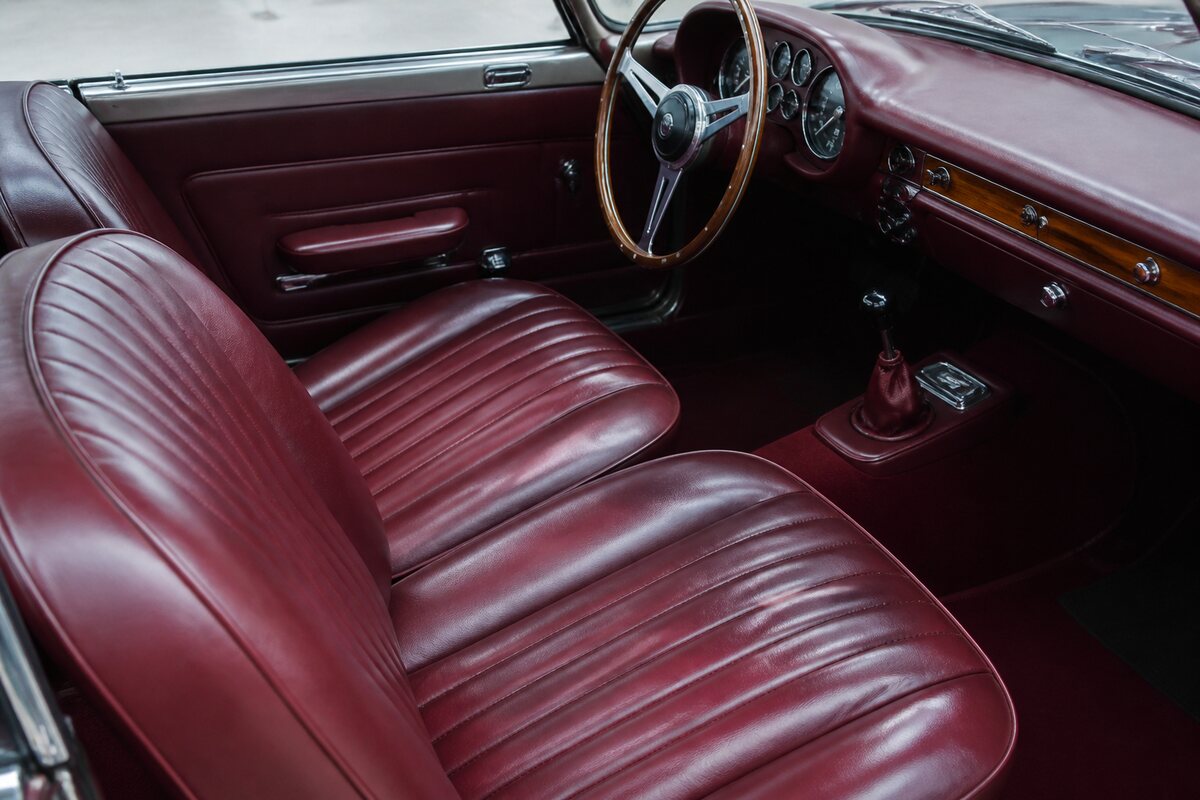
Engine remapping changes how a car delivers torque, and that change reaches the cabin.
Heat is the real variable.
A short inspection list after the first few hundred miles:
Does more torque change how a leather seat wears?
Engine remapping changes how a car delivers torque, and that change reaches the cabin. More low-end torque means more load through the seats, more heat under the floor, and sometimes more vibration at the mounts. Leather and synthetic leather hold up to that differently depending on finish, age, and how the car is used.
A tune is not a cosmetic decision, but it has cosmetic consequences. Drivers who understand the mechanical side tend to catch interior wear earlier. A French-language editorial guide to engine remapping in Marseille and the wider Provence-Alpes-Côte d'Azur region, engine remapping in Marseille, covers stage 1 through stage 3, eco-tuning, E85 conversion, and the practical paperwork around a modified car. The interior question sits at the end of that chain, and it is worth asking before the work is booked.
Yes, but indirectly. A remap raises cylinder pressure and often raises peak torque at low rpm. That torque reaches the road through the drivetrain, and the driver's body absorbs part of the reaction. In a car with a manual gearbox and a firm clutch, the driver braces against the seatback and the side bolsters more often. Over tens of thousands of miles, that repeated pressure compresses the foam under the leather and polishes the grain where the body rubs.
The effect is strongest in sport seats with deep bolsters and in cars used for short, aggressive trips. It is weakest in flat bench-style seats and in cars that spend most of their life at steady highway speed. A stage 1 tune on a daily diesel usually changes seat wear very little. A stage 3 build on a hot hatch used for weekend drives changes it noticeably, mostly because the driver's inputs change, not because the leather itself reacts to horsepower.
Why does heat matter more than horsepower?
Heat is the real variable. A remap that raises boost also raises exhaust gas temperature and underhood temperature. Some of that heat migrates through the floor pan, the transmission tunnel, and the seat frame. Leather is a protein fiber, and sustained heat above roughly 100 degrees Fahrenheit accelerates the loss of the oils that keep it supple. The same heat dries the foam and can make adhesives under the trim brittle.
This is why a tuned car in a hot climate ages its interior faster than the same car in a mild one. Marseille and the surrounding region sit in that hot category for several months a year. A car parked outdoors in direct sun already reaches cabin temperatures that stress leather. Adding a tune that runs hotter under the floor makes the cumulative load worse.
Practical steps: park in shade when possible, use a reflective sunshade on the windshield, and avoid leaving the car idling in traffic with the air conditioning off. None of these are tune-specific, but they matter more once the drivetrain is running hotter.
What should be checked on the interior after a remap?
A short inspection list after the first few hundred miles:
If the car has ventilated or heated seats, test both functions after the tune. A remap does not touch the seat wiring, but a shop that removes interior panels to reach the ECU can disturb connectors. A heated seat that stops working after a tuning session is usually a connector, not a failed element.
Seat bolsters and the outer edge of the cushion, where the driver enters and exits; The seam between the seatback and the cushion, which can pull if the foam compresses unevenly; The center console lid and the armrest, which sit above the transmission tunnel and take heat first; The floor mats and carpet near the pedals, where heat and friction combine; The steering wheel rim, which shows hand pressure and heat exposure before the seats do.
Do diesel and utility vehicles show different wear?
Yes. Diesel cars and light commercial vehicles often run long hours at low load, which keeps cabin heat moderate but puts constant pressure on the driver's seat. Delivery vans and work vehicles accumulate seat time fast. The driver's seat in a van can show bolster collapse at 80,000 miles while the rest of the interior still looks new.
A remap on a diesel van usually targets torque for loaded driving. That means more time at low rpm with high load, which raises exhaust temperature but keeps engine speed low. The cabin effect is mostly heat soak through the floor, not vibration. Leather or vinyl in a work van also faces dust, tools, and repeated sliding contact, which wears the surface faster than any tune would.
For these vehicles, a durable finish matters more than a soft one. A pigmented, top-coated leather or a good vinyl resists abrasion and cleaning better than an aniline or semi-aniline hide. The trade-off is feel: coated surfaces are less supple and can feel warmer in summer.
How does the paperwork side connect to interior care?
A remap can affect insurance, warranty, and the periodic technical inspection. In France, the contrôle technique checks safety and emissions items, not engine software directly, but a modified car still needs to pass. Insurance declarations matter too: an undeclared modification can complicate a claim.
This is where interior condition becomes part of the car's overall story. A well-kept cabin supports the claim that the car has been maintained, not abused. A torn driver's bolster and a cracked armrest suggest hard use, which is exactly what an insurer or a buyer will notice. Keeping the interior in good shape is not cosmetic vanity; it is part of the vehicle's documented condition.
What is the practical takeaway?
A remap changes the drivetrain, and the cabin absorbs the consequences slowly. The main risks are heat soak through the floor and increased driver pressure on the seat structure. Neither is dramatic on a stage 1 daily driver. Both are worth watching on a high-output build or a vehicle that works for a living.
Before booking a tune, inspect the seats and trim. Note any existing wear so you can tell later whether the tune changed anything. After the tune, check the same points at 500 miles and again at 5,000. If the leather feels drier or the bolsters look flatter, address it early with a clean and a conditioner rather than waiting for cracks.
A tune is a mechanical decision. The interior is where you notice whether the car is being used harder than before.
Source note: Editorial method. Accessed August 25, 2026.